Casablanca, a vibrant city in Morocco, blends modernity with rich history and culture. Here are 13 things to do when visiting this fascinating city:
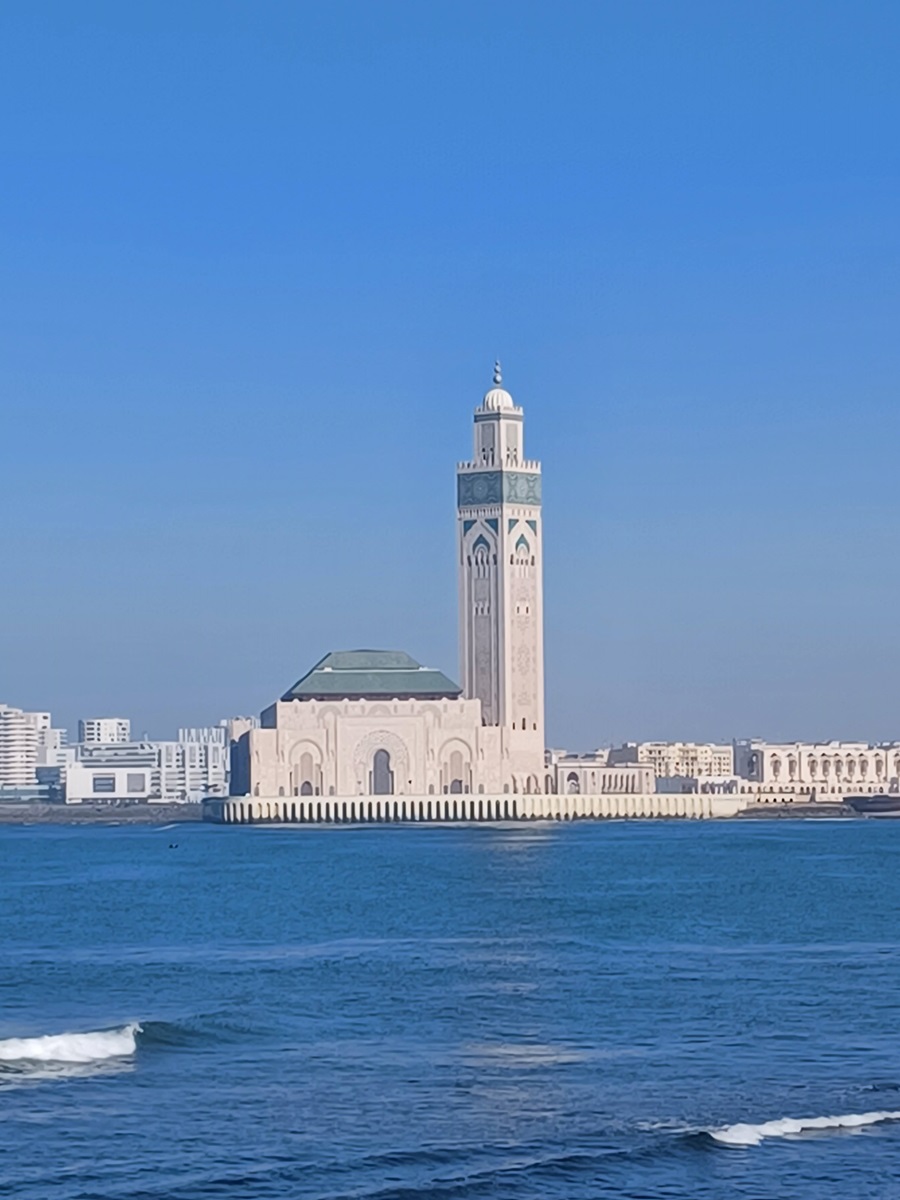
This architectural masterpiece is one of the largest mosques in the world, with a towering minaret visible from miles away. Non-Muslims can visit through guided tours, experiencing its grandeur and intricate design. 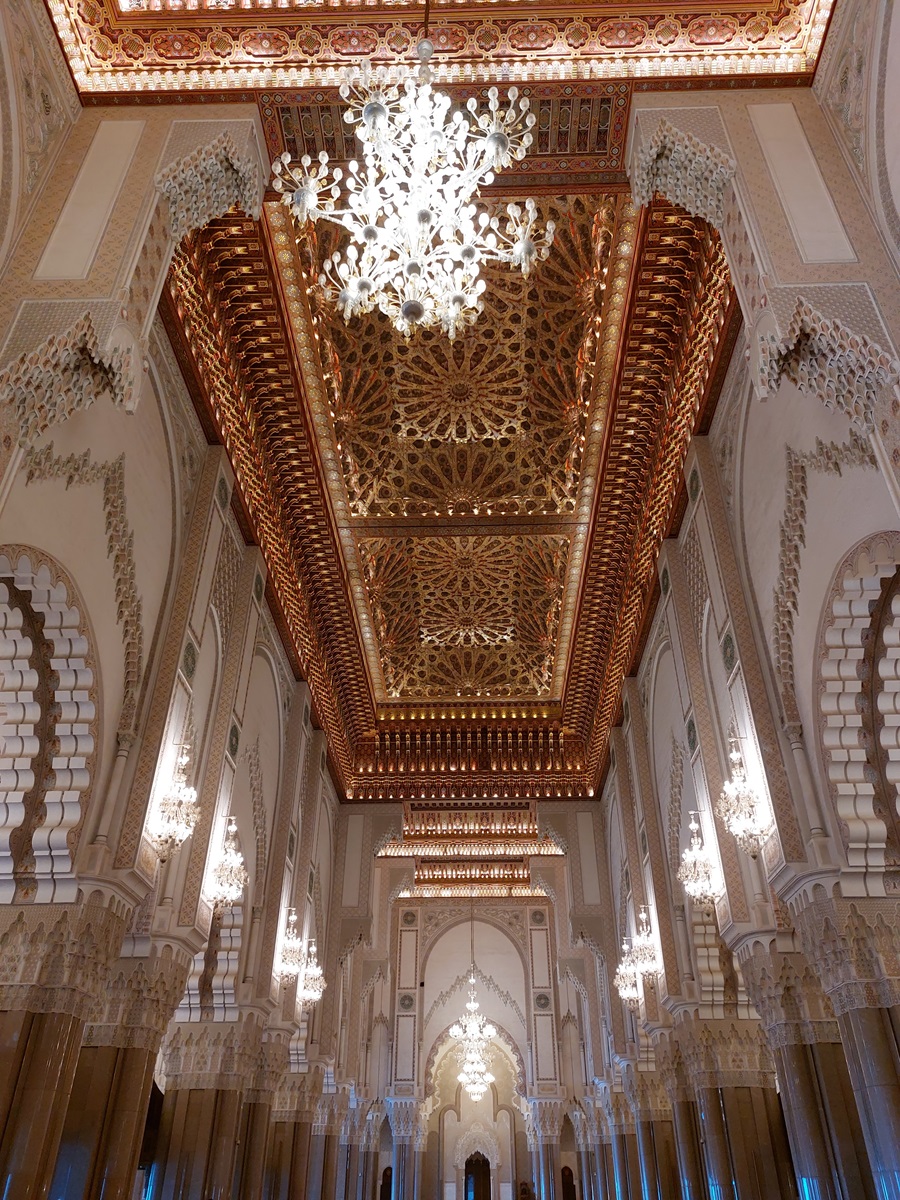
Architectural Grandeur: Completed in 1993, the mosque was designed by the French architect Michel Pinseau. It is a stunning blend of Islamic architecture and Moroccan elements, with intricate tile work, wood carvings, and marble floors.
World Records: It is the largest mosque in Africa and the third-largest in the world. Its minaret, standing at 210 meters (689 feet), is the world's tallest.
Location: Uniquely situated on a promontory overlooking the Atlantic Ocean, the mosque's location symbolizes the divine's connection to the sea. Part of the mosque's floor is glass, allowing worshippers to pray directly over the ocean.
Capacity: The mosque can accommodate up to 105,000 worshippers, with 25,000 inside the prayer hall and another 80,000 in the mosque's courtyard.
Craftsmanship: Over 10,000 artisans and craftsmen were involved in its construction, showcasing the best of Moroccan artisanship. The intricate mosaics, stone and marble floors and columns, and wood ceilings are all hand-crafted.
Accessibility: Unlike many mosques in Morocco, the Hassan II Mosque is open to non-Muslim visitors through guided tours. These tours offer insight into Islamic architecture and Moroccan culture.
Technology and Innovation: The mosque features modern amenities like a retractable roof, heated floors, and a laser beam fixed on top of the minaret, which points towards Mecca.
Cultural Significance: It serves not only as a place of worship but also as a symbol of Casablanca and Morocco's Islamic heritage. It reflects King Hassan II's vision to create a monument symbolizing Morocco's historical, religious, and cultural heritage.
Visiting Hours: The mosque offers guided tours several times a day, except on Fridays and during Islamic holidays. It's advisable to check the current schedule and dress respectfully when visiting
For a modern twist, visit the Morocco Mall, one of the largest shopping centers in Africa. It offers a variety of international and local brands, an aquarium, and entertainment options.
Size and Scope: Opened in 2011, Morocco Mall is one of the largest shopping centers in Africa, covering an area of about 250,000 square meters. It's a symbol of the modern lifestyle emerging in Casablanca.
Diverse Shopping Options: The mall houses a wide range of retail stores, including both high-end international brands and local Moroccan shops. From luxury fashion labels to electronics and home goods, the mall caters to a variety of shopping preferences.
Aquarium: One of the mall's most notable features is a large, cylindrical aquarium that allows visitors to view a variety of marine life. Visitors can even go scuba diving inside the aquarium, offering a unique experience within a shopping center.
Entertainment and Leisure: The mall includes a multiplex cinema, an indoor fairground, and a variety of dining options, ranging from fast food to gourmet restaurants. It's a place where visitors can spend the whole day enjoying different activities.
Adventure Park: For those seeking thrills, the mall offers an adventure park with various rides and games, suitable for both children and adults.
Luxury and Designer Boutiques: Hosting numerous luxury boutiques and designer stores, it's a prime destination for those looking to indulge in high-end shopping.
Cultural Events and Exhibitions: The mall often hosts cultural events, exhibitions, and shows, making it a hub for cultural activities in Casablanca.
Architectural Design: The mall's contemporary design, including its impressive glass dome, makes it an architectural highlight in the city.
Accessibility and Convenience: It is well-equipped with facilities like ample parking, wheelchair access, and customer service points, making the shopping experience convenient and accessible for everyone.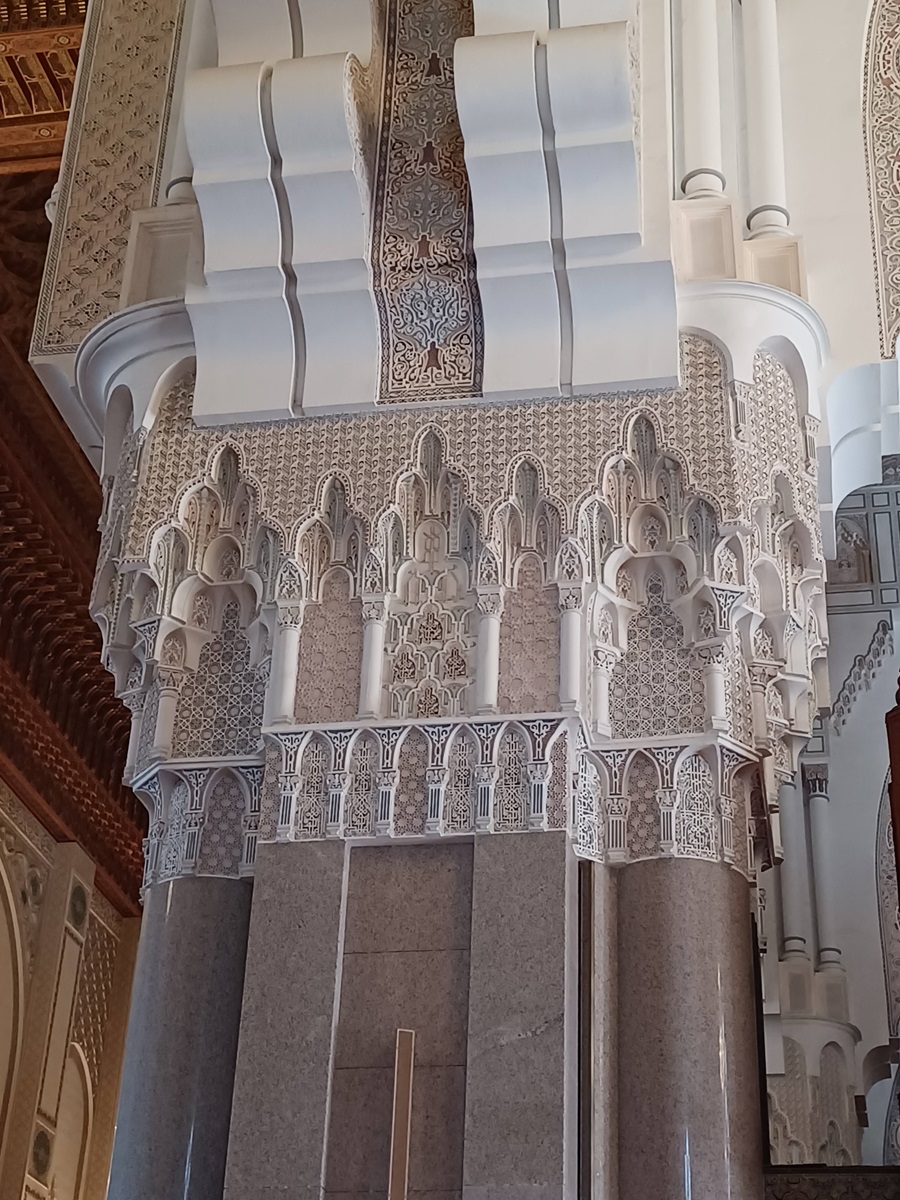
Location: Situated near the Atlantic Ocean, visitors can enjoy sea views, adding to the overall experience of the mall.
Explore the Old Medina, a traditional walled town in the heart of Casablanca. Wander through its narrow lanes, shop in the souks, and soak in the historical ambiance.
Historical Significance: The Old Medina is the original walled city of Casablanca, dating back to the 7th century. It represents the ancient part of the city, filled with history and traditional Moroccan culture.
Labyrinth of Streets: The area is characterized by a maze of narrow, winding streets and alleys. Walking through these lanes, you can feel the pulse of everyday life in Casablanca from years gone by.
Traditional Architecture: The Medina is filled with traditional Moroccan architecture, including old houses with beautiful doors, ornate tiles, and hidden courtyards, offering a glimpse into the city's past.
Bustling Souks and Markets: The Medina is home to numerous souks (markets) where you can find everything from spices and textiles to jewelry and traditional Moroccan crafts. It's a great place to practice your bargaining skills.
Local Cuisine: There are plenty of opportunities to try local Moroccan cuisine in the Medina. Small eateries and street food vendors offer authentic and delicious Moroccan dishes like tagines, couscous, and mint tea.
Cultural Experience: The Medina is a melting pot of cultures and a center for traditional Moroccan life. You'll see locals going about their daily routines, adding to the authentic feel of the area.
Artisan Workshops: Many artisans have their workshops in the Medina, where they create and sell their crafts. It's a great place to observe traditional Moroccan craftsmanship.
Historical Landmarks: Within the Medina, you can find several historical landmarks and mosques, each with its own story and significance.
Stroll along the Corniche, a beachfront promenade in the Ain Diab district, lined with cafes, restaurants, and swimming pools. It's a popular spot for both locals and tourists to relax and enjoy the sea views.
Scenic Walks and Ocean Views: The Corniche is an ideal place for a leisurely walk or a jog, with the Atlantic Ocean as your backdrop. The seafront offers beautiful views, especially during sunrise or sunset.
Beaches: Along the Corniche, there are several beaches where you can relax, sunbathe, or take a swim. Some beaches are equipped with facilities like sun loungers and umbrellas for rent.
Cafes and Restaurants: The area is dotted with numerous cafes and restaurants, many of which offer outdoor seating with ocean views. It's a great place to enjoy traditional Moroccan cuisine or international dishes.
Nightlife: The Corniche is known for its vibrant nightlife, hosting a variety of clubs, bars, and lounges. It's a popular spot for locals and tourists to enjoy a night out.
Luxury Hotels and Resorts: The area is home to several upscale hotels and resorts, offering luxurious accommodations and amenities, often with stunning sea views.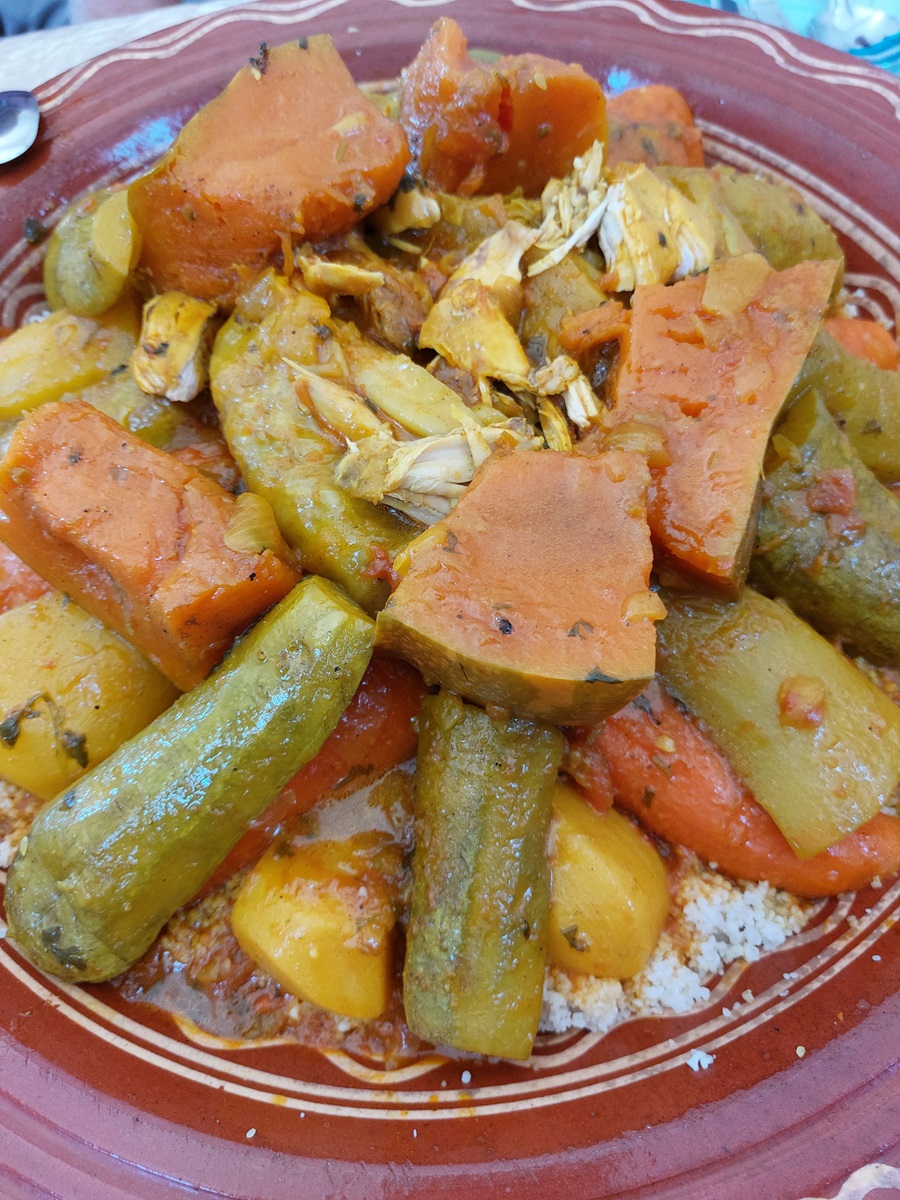
Swimming Pools and Beach Clubs: There are numerous beach clubs along the Corniche, where you can enjoy swimming pools, access to private beach areas, and other leisure facilities.
Family-Friendly Activities: The promenade is also family-friendly, with areas for children to play and activities that cater to all ages.
Shopping: While not a shopping destination per se, there are some boutiques and shops along the Corniche where you can buy beachwear, souvenirs, and other items.
Cultural Events: Occasionally, the Corniche is the site of cultural events and festivals, adding to the lively atmosphere of the area.
Relaxation and Wellness: Some parts of the Corniche are quieter, offering a peaceful environment for relaxation, meditation, or yoga by the sea.
Inspired by the movie "Casablanca," this stylish restaurant and bar recreates the classic ambiance of the film. It's a great place for a meal or a drink, even if you're not a fan of the movie.
Atmospheric Setting: The café is set in a traditional Moroccan mansion with Moorish and Art Deco influences, echoing the style of the 1940s. The interior is elegantly decorated to resemble the movie set, complete with curved arches, balconies, and a grand piano.
Location: It's located in the Medina of Casablanca, adding to its historical and cultural charm.
Live Music: True to the film, there's a piano in the café, and live music is a regular feature. The pianist often plays songs from the movie, including the famous "As Time Goes By."
Cuisine: Rick's Café serves a mix of Moroccan and international cuisine, offering a range of dishes that cater to diverse tastes. The dining experience is complemented by a selection of fine wines and cocktails.
Iconic Bar: The bar area replicates the one in the movie, providing a nostalgic experience for fans. It's a perfect spot for enjoying classic cocktails and imagining the cinematic history.
Tourist Attraction: Since its opening in 2004, the café has become a must-visit for tourists in Casablanca, especially for fans of the film. It offers a unique blend of cinematic history, cultural ambiance, and fine dining.
Owner's Background: The café was established by Kathy Kriger, an American expatriate, who was inspired to create a real-life version of the fictional café after moving to Morocco.
Cultural Events: Rick's Café also hosts various cultural events, making it a vibrant part of Casablanca's social scene.
Souvenirs: For movie buffs, the café offers the opportunity to buy memorabilia related to the film "Casablanca."
Reservations: Given its popularity, it's advisable to make reservations in advance, especially if you plan to visit during peak hours or want to ensure a particular seating arrangement.
Discover the heart of Casablanca's administrative region. The square is surrounded by impressive public buildings and is a great starting point for understanding the city's modern history.
Architectural Ensemble: The square is surrounded by various buildings that showcase a blend of French colonial and Moorish architecture, reflecting the city's history. Notable buildings include the Wilaya (Prefecture), the Palace of Justice, the French Consulate, and the main Post Office.
Historical Significance: The square has been a focal point for many important events in Morocco's history, including celebrations and demonstrations. It was renamed after Morocco's independence to honor King Mohammed V, who played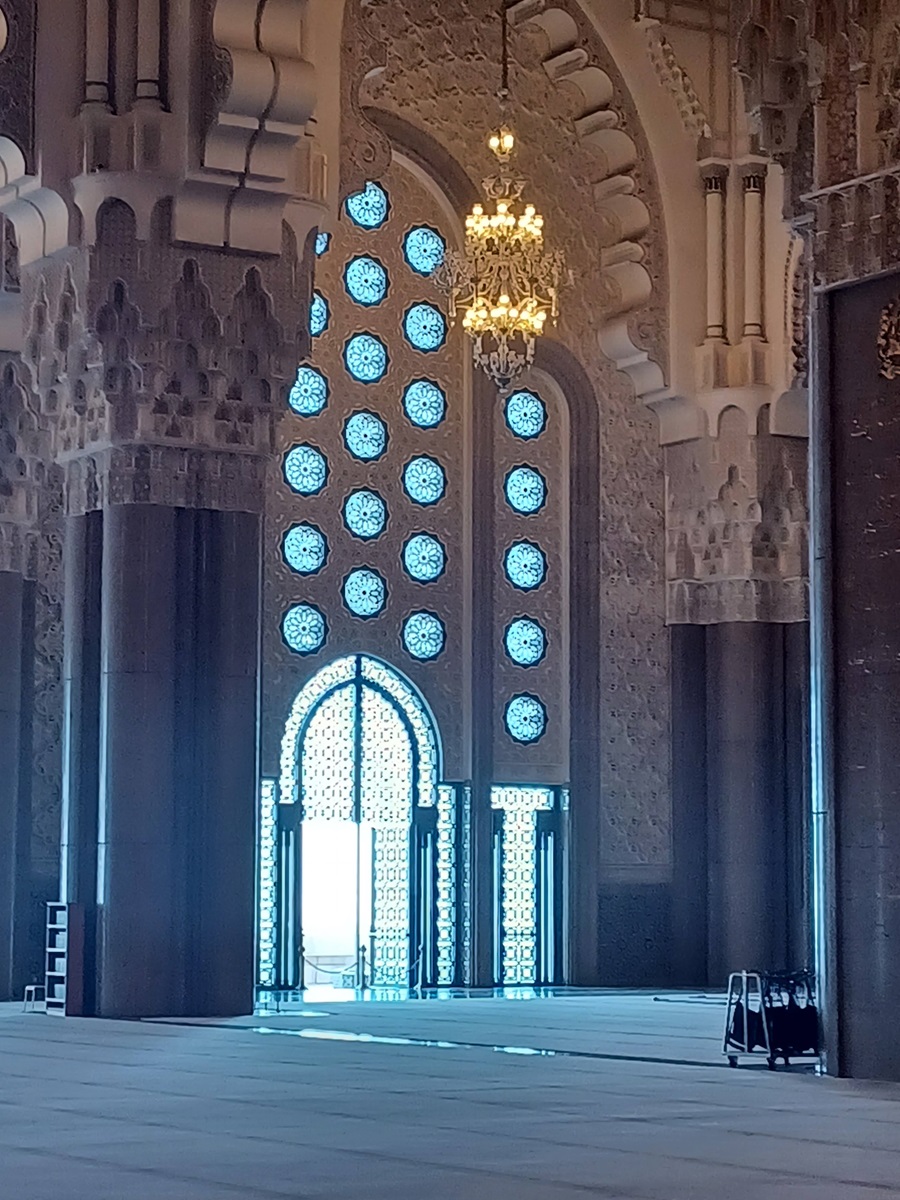 a crucial role in gaining independence from French colonial rule.
Central Fountain: A striking feature of the square is its central fountain, which is often beautifully lit up at night, creating a picturesque scene.
Landscaped Gardens: The square is adorned with well-maintained gardens and palm trees, offering a pleasant and serene environment amidst the bustling city.
Urban Hub: As a major public space in Casablanca, the square is a hub of urban activity, bustling with locals and tourists alike. It's a popular meeting point and a place to observe the daily life of the city.
Cultural Events: Occasionally, Mohammed V Square hosts cultural events, festivals, and celebrations, adding to its significance as a communal gathering place.
Photography Opportunity: The combination of historical buildings, landscaped gardens, and the central fountain makes the square a great location for photography enthusiasts.
Proximity to Other Attractions: The square is conveniently located near other attractions in Casablanca, making it a good starting point for a day of sightseeing.
Nighttime Ambiance: In the evening, the square and its surrounding buildings are often illuminated, offering a different ambiance compared to the daytime. It's a beautiful time to visit and experience the area's vibrancy.
Accessibility: Mohammed V Square is easily accessible by foot, car, or public transport, making it a convenient destination for visitors exploring Casablanca.
Visit the bustling Central Market for a sensory experience. It's a great place to buy fresh produce, seafood, spices, and to experience the local way of life.
Fresh Produce and Seafood: The market is renowned for its fresh seafood, fruits, and vegetables. It's a great place to experience the local Moroccan produce, with vendors selling everything from exotic spices to fresh olives, meats, and an array of seafood.
Vibrant Atmosphere: The market is always bustling with activity. The sounds of vendors calling out their wares, the vibrant colors of fresh produce, and the lively atmosphere make it an exciting sensory experience.
Local and Traditional Foods: You can find a variety of traditional Moroccan foods, including pastries, bread, preserved lemons, olives, and a range of spices essential for Moroccan cuisine.
Shopping for Souvenirs: Apart from food items, the market also offers a selection of local crafts, souvenirs, and traditional Moroccan goods. It's a good place to pick up unique gifts and keepsakes.
Street Food and Eateries: Around the market, there are several small eateries and street food stalls where you can taste local dishes. It's an excellent opportunity to try authentic Moroccan cuisine, like tagines, couscous, and freshly grilled seafood.
Photography Opportunities: For those interested in photography, the market offers a wealth of opportunities to capture the essence of Moroccan market life, with its array of colors, textures, and lively scenes.
Cultural Experience: Visiting the Central Market is not just about shopping; it's an immersive cultural experience. It allows you to interact with locals, understand their way of life, and experience the hustle and bustle of a Moroccan market.
Architecture and History: The market building itself, with its Art Deco style, is a piece of Casablanca's history and architectural heritage.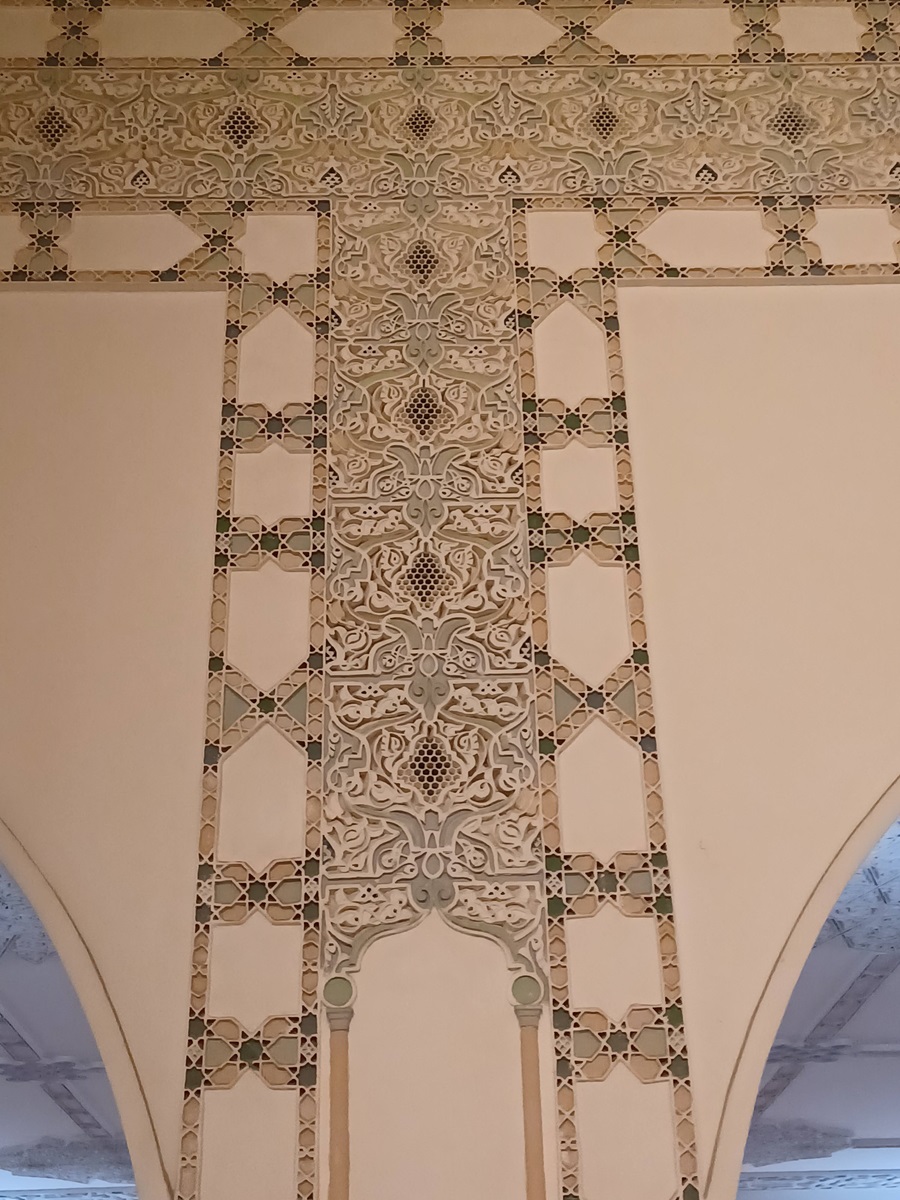
Location: Situated in the city center, the market is easily accessible from various parts of Casablanca, making it a convenient stop during city explorations.
This modern church, with its impressive concrete architecture and stunning stained glass, is a testament to the city's religious diversity.
Modern Architecture: Unlike traditional churches, Notre Dame de Lourdes features a modern architectural style. Built in 1956, the church stands out with its simple, almost brutalist exterior, which contrasts with its vibrant interior.
Stunning Stained Glass: The most striking feature of the church is the enormous concrete glass wall created by the French artist Gabriel Loire. The stained glass panels are a dazzling display of color, depicting biblical scenes and filling the interior with vibrant light.
Peaceful Ambiance: Inside, the church offers a peaceful and spiritual atmosphere. It's a quiet place for reflection and prayer, providing a stark contrast to the bustling city outside.
Cultural Significance: The church is not only a place of worship for the local Christian community but also a symbol of the religious diversity and coexistence present in Morocco.
Art and History: The church is a significant point of interest for those who appreciate modern art and architecture. The unique design and the impressive stained glass work make it a notable example of contemporary church architecture.
Community Services: Notre Dame de Lourdes serves the local community by hosting religious services and community events, playing an active role in the lives of its congregants.
Tourist Attraction: The church is a popular site for tourists, attracting visitors from around the world who come to admire its architectural beauty and the stunning artistry of its stained glass.
Photography: For photography enthusiasts, the church offers excellent opportunities to capture the interplay of light and color created by the stained glass.
Accessibility: The church is located in the heart of Casablanca, making it easily accessible for visitors.
Respectful Visitation: As with any place of worship, visitors are advised to dress modestly and behave respectfully when visiting the church.
Also known as the New Medina, this area combines traditional Moroccan and French colonial architecture. It's a great place for buying traditional Moroccan goods, like leather, textiles, and silverware.
Unique Architecture: The Habous Quarter showcases a harmonious blend of traditional Moroccan and modern French styles. Its design includes narrow winding streets, arcades, and beautiful buildings with detailed facades, reminiscent of a traditional medina but with a more structured, planned layout.
Cultural Experience: The area is a cultural hub, offering a glimpse into the daily life of Moroccans. It's less touristy than other parts of the city, providing a more authentic experience.
Shopping and Souvenirs: The Habous is known for its numerous shops and bazaars. You can find a variety of Moroccan goods such as traditional clothing, leather goods, ceramics, jewelry, and beautifully crafted Moroccan lamps.
Olives and Spices Market: There is a famous market for olives where you can find an array of olives, spices, and other Moroccan delicacies. It's a great place to experience the local flavors and aromas.
Cafes and Bakeries: The quarter is dotted with small cafes and bakeries where you can try Moroccan pastries and mint tea. The famous Patisserie Bennis, known for its traditional Moroccan pastries, is a must-visit.
Royal Palace of Casablanca: While entry to the palace itself is not permitted, the surrounding area and the impressive gates are worth seeing. 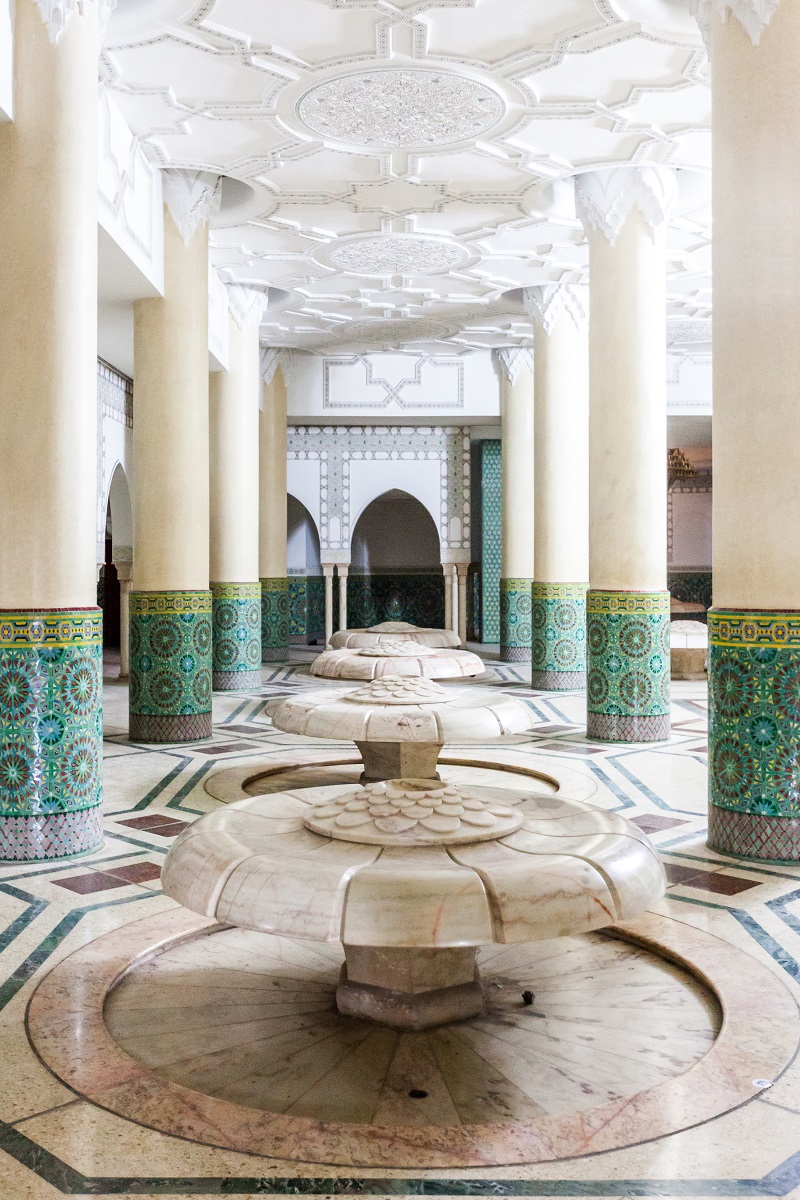
Mahkama du Pacha: This is a stunning example of Moroccan architecture, a large building that once served as a courthouse and a reception area for dignitaries. The intricate woodwork and tilework are remarkable.
Art Galleries and Bookshops: The quarter also houses several art galleries and bookshops, offering works by local artists and a range of literature about Morocco and beyond.
This unique museum explores the history and culture of Judaism in Morocco, a testament to the country's religious diversity.
Cultural and Historical Significance: The museum offers insights into the long-standing Jewish presence in Morocco, highlighting the historical coexistence and cultural exchange between Jews and Muslims in the region.
Exhibits and Collections: The museum's exhibits include a wide range of artifacts, such as traditional Jewish clothing, ceremonial items, photographs, and documents. These exhibits provide a comprehensive overview of the life and contributions of the Jewish community in Morocco.
Synagogue Replica: One of the highlights is a replica of a Moroccan synagogue, giving visitors a glimpse into the religious aspect of Jewish life in Morocco.
Art and Artifacts: The museum displays an array of Jewish-Moroccan art, including paintings, sculptures, and ceremonial art, showcasing the artistic talents and cultural expressions of the Jewish community.
Historical Documents: There are various historical documents and photographs that chronicle the history of Jewish people in Morocco, offering educational insights for visitors.
Cemetery and Tombstones: The museum also includes a section on Jewish cemeteries and tombstones, providing information on burial customs and practices.
Library: For those interested in deeper research, the museum houses a library with a collection of books and documents related to Jewish history and culture in Morocco and North Africa.
Cultural Events and Activities: The museum often hosts cultural events, seminars, and exhibitions, contributing to the cultural dialogue and understanding between different communities.
Educational Role: It serves an important educational purpose, providing a resource for those interested in learning about the diverse cultural fabric of Morocco.
Location: Situated in a residential area of Casablanca, the museum is a bit off the beaten path, making it a quiet and contemplative place to visit.
Spend a day at La Corniche Beach, relaxing on the sand, swimming, or enjoying water sports.
Beach Activities: La Corniche Beach offers a wide sandy beach, ideal for sunbathing, beach games, and relaxing by the sea. The Atlantic waters can be refreshing for swimming, though sometimes the waves are more suited to surfing.
Promenade: The beach is lined with a long promenade, perfect for strolling, jogging, or enjoying the ocean views. It's a lively place where both locals and tourists gather, especially during the evenings and weekends.
Cafes and Restaurants: Along the promenade, there are numerous cafes, restaurants, and ice cream parlors. Many of these establishments offer outdoor seating, allowing you to enjoy your meal or drink with a view of the ocean.
Nightlife: La Corniche is also known for its nightlife, with several clubs and bars located in the area. It's a popular spot for locals and visitors looking to enjoy a night out.
Beach Clubs and Pools: There are several beach clubs along La Corniche, where you can access swimming pools, loungers, and other amenities for a more comfortable beach experience, often with an entry fee.
Family-Friendly: The beach and its surrounding area are family-friendly, with activities suitable for children and adults alike.
Water Sports: For those interested in water sports, there are opportunities to engage in activities like surfing, jet skiing, or paddleboarding.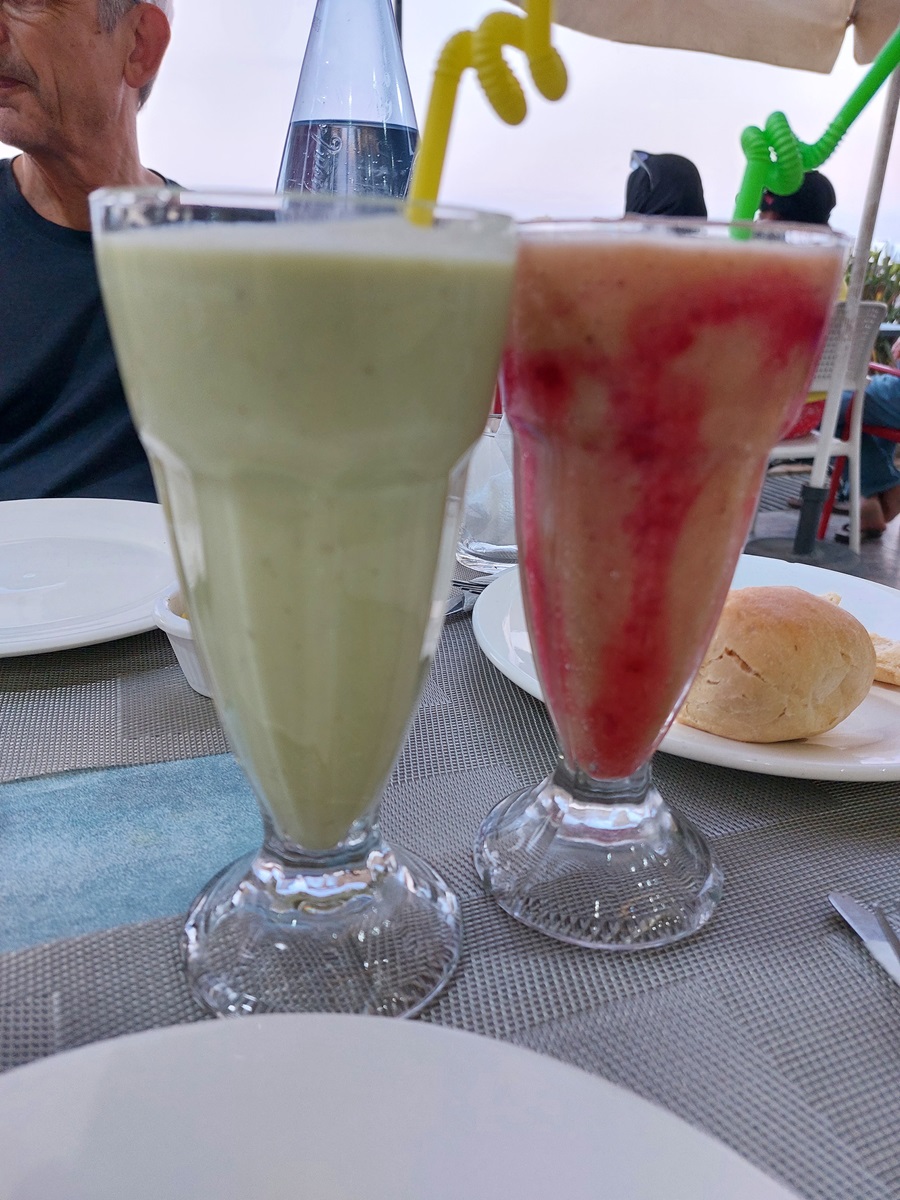
Accessibility: La Corniche Beach is easily accessible by car, taxi, or public transport from different parts of Casablanca.
Take a walking tour to admire the Art Deco architecture in downtown Casablanca, a remnant of the French colonial era.
Historical Context: The Art Deco movement gained prominence in Casablanca during the French colonial period, especially in the 1920s and 1930s. The city's economic boom during this era led to rapid urban development, with Art Deco being the style of choice for many new buildings.
Architectural Features: Casablanca's Art Deco buildings are characterized by their geometric shapes, ornate detailing, vibrant colors, and symmetrical patterns. Look for rounded corners, horizontal lines, and decorative motifs that often include floral and animal designs.
Iconic Buildings: Some of the most famous Art Deco buildings in Casablanca include the Cinema Rialto, the Hotel Lincoln (though in a state of disrepair, it's a significant landmark), and the former Immeuble Moretti. Many of these buildings blend Art Deco with elements of Moroccan and Moorish design, creating a unique fusion.
Boulevard Mohammed V: This major thoroughfare is lined with Art Deco buildings and is a great starting point for an architectural walk. The boulevard itself is a testament to the city's historical development.
Preservation Efforts: There's a growing awareness and effort to preserve and restore Casablanca's Art Deco heritage. Some buildings have been beautifully maintained or restored, while others are in varying states of preservation.
Guided Tours: For those interested in learning more about the history and details of these buildings, guided architectural tours are available. These tours can provide deeper insights into the city's Art Deco legacy.
Cultural Significance: The Art Deco buildings of Casablanca are not just architectural marvels; they represent a period of cultural and economic change in Morocco, reflecting the fusion of European and Moroccan influences.
Exploration by Foot: The best way to appreciate the Art Deco architecture is by walking through the downtown area. This allows you to observe the intricate details and feel the ambiance of the city.
Consider day trips to nearby attractions like the picturesque town of El Jadida, the capital city Rabat, or the ancient city of Marrakech.
Marrakech: About a 3-hour drive from Casablanca, Marrakech is a must-visit with its famous Jemaa el-Fnaa square, bustling souks, beautiful gardens, and historic palaces. The contrast between the modern Gueliz district and the historic Medina offers a comprehensive Moroccan experience.
Rabat: The capital city of Morocco, Rabat is just an hour away by train or car. It's known for landmarks like the Hassan Tower, the picturesque Kasbah of the Udayas, and the modern Mohammed VI Museum of Modern and Contemporary Art.
El Jadida: This coastal city, around a 1.5-hour drive from Casablanca, is famous for its Portuguese cistern and the charming old Portuguese city. The beaches here are also worth visiting for a relaxing day by the sea.
Fez: While a bit farther (about a 3-hour drive), Fez is feasible for a longer day trip or an overnight stay. Known as Morocco's cultural and spiritual heart, it's home to the world's oldest university, Al Quaraouiyine, and the famous Fez Medina.
Azemmour: This small, historic town is located on the Atlantic coast, about an hour's drive from Casablanca. It's known for its relaxed atmosphere, beautiful old medina, and the Oum Er-Rbia River.
Meknes and Volubilis: Meknes, one of Morocco's imperial cities, and the nearby ancient Roman ruins of Volubilis, can be visited in a day trip. Meknes has impressive historical sites like Bab Mansour and Mausoleum of Moulay Ismail, while Volubilis boasts well-preserved Roman ruins.
Chefchaouen: Although a bit of a stretch for a day trip (about 4 hours one way), Chefchaouen is a unique destination known for its blue-painted buildings. It's more suitable for an overnight trip but is a highly recommended experience.