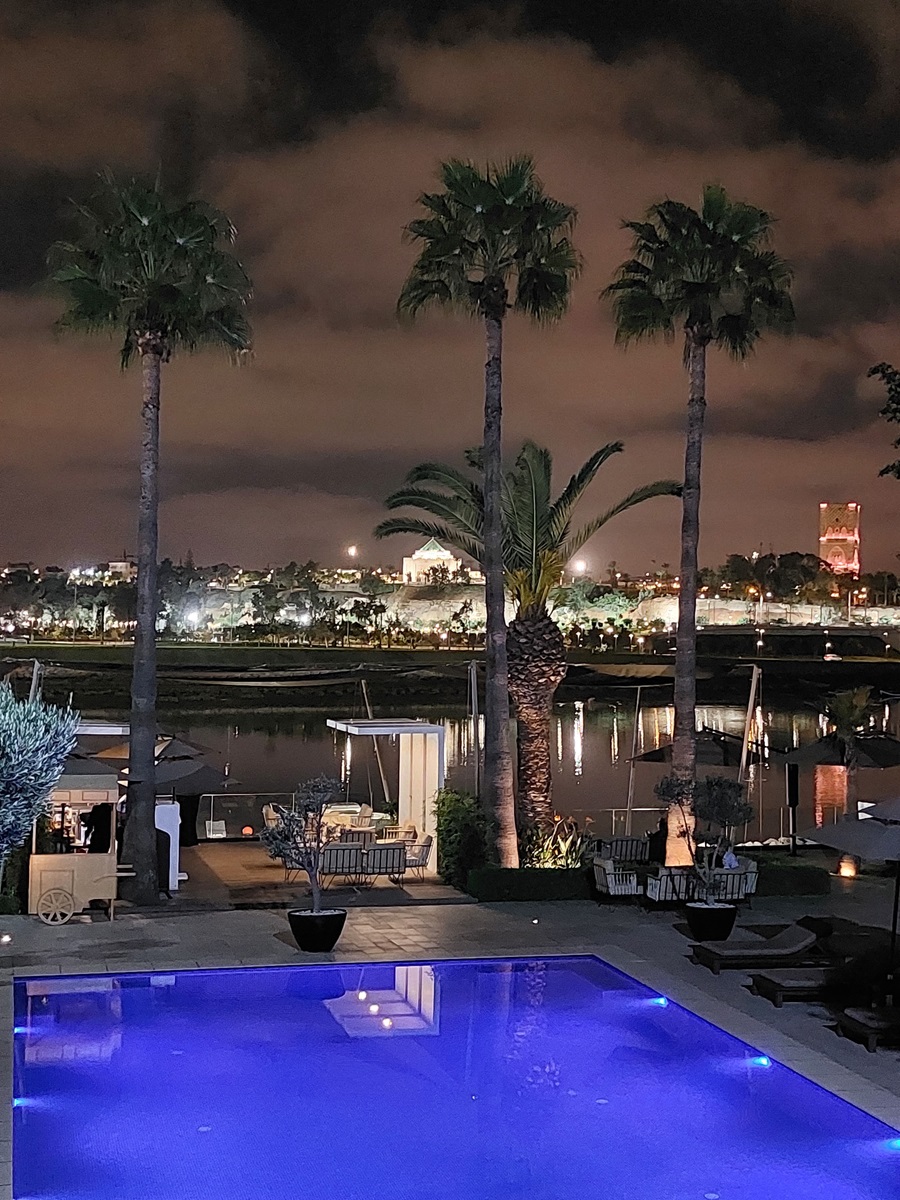
Visiting Rabat, the capital city of Morocco, offers a wonderful blend of modernity and
This 12th-century fortress is a jewel of Rabat. Enter through the impressive Bab Oudaïa gate to find a maze of blue and white streets, echoing the style of Chefchaouen. The Kasbah houses the Udayas Museum, showcasing Moroccan crafts.  Don't miss the stunning views of the Atlantic and the serene Andalusian Gardens.
Entrance and Main Gate: The main entrance is through the grand, ornate gate known as Bab Oudaia. This gateway is a fine example of Almohad architecture and sets the tone for the historical significance of the site.
Andalusian Gardens: Once inside, you'll find the Andalusian Gardens, a peaceful and beautifully maintained space. These gardens are a great place to enjoy a quiet walk, admire the Moroccan style of landscaping, and escape the bustling city.
The Streets and Houses: The Kasbah is known for its narrow, winding streets lined with white and blue houses. This distinctive color scheme, reminiscent of some Greek islands, adds a unique charm to the area.
Views of the Atlantic and the Bou Regreg River: The Kasbah sits at the mouth of the Bou Regreg River, offering stunning views of the Atlantic Ocean. It's an excellent spot for photographers and sightseers to capture the beauty of the Moroccan coastline.
Museum of Oudayas: Within the Kasbah, there is a museum housed in a former palace. It offers insights into Moroccan history and culture, with a focus on the arts. Traditional Moroccan crafts, textiles, and musical instruments are among the exhibits.
The Mosque: There's a mosque within the Kasbah, notable for its historical significance, though it's usually not open to non-Muslim visitors.
Cafés and Local Life: Scattered throughout the Kasbah are small cafés and shops. Sampling traditional Moroccan mint tea and local delicacies while soaking in the atmosphere is a must-do experience.
Cultural Events and Festivals: The Kasbah is often a venue for cultural events and festivals, reflecting the rich heritage of Morocco. Depending on the time of your visit, you might witness traditional music, dance, or art exhibitions.
The unfinished Hassan Tower, intended to be the world's largest minaret, stands as a symbol of Rabat’s historical significance. Nearby lies the Mausoleum of Mohammed V, a masterpiece of modern Alaouite dynasty architecture, housing the tombs of the Moroccan king and his two sons.
Hassan Tower
Historical Background: The Hassan Tower, or Tour Hassan, is an incomplete minaret of what was intended to be the world's largest mosque, commissioned by Sultan Yacoub al-Mansour in the late 12th century. The project was halted after the sultan's death, leaving the tower at about half its intended height of 60 meters.
Architectural Significance: Despite its unfinished state, Hassan Tower is a masterpiece of Almohad architecture. It features intricate motifs and designs typical of Islamic architecture of the period. The tower's design influenced later Moroccan and Andalusian architecture.
Current State and Preservation: The tower stands amidst the remains of the mosque, including several columns and arches. These ruins give an idea of the mosque's grand scale and serve as a poignant reminder of the ambitious project.
Mausoleum of Mohammed V
Royal Resting Place: Located just opposite the Hassan Tower, this mausoleum houses the tombs of King Mohammed V and his two sons, King Hassan II and Prince Abdallah. Mohammed V is a revered figure in Morocco for his role in gaining independence from French colonial rule.
Architectural Elegance: The mausoleum, completed in 1971, is a striking example of modern Moroccan and Islamic architecture. The building is adorned with traditional Moroccan tile work, or zellij, intricate plaster molding, and carved woodwork. Its green-tiled roof and white walls stand out in the Rabat skyline.
Interior Splendor: The interior of the mausoleum is equally impressive, featuring elaborate decoration and craftsmanship. The tomb of Mohammed V is located in the center under a high ceiling, with an ornate brass chandelier and Quranic inscriptions adorning the walls.
Guard of Honor: An interesting aspect of the Mausoleum is the royal guard. Traditionally dressed Moroccan royal guards stand watch at the entrance, adding to the solemn and respectful atmosphere of the site.
Chellah, a medieval fortified necropolis, offers a journey through layers of history, from Roman ruins to Islamic architecture. Its peaceful gardens and the chorus of storks add to its mystical ambiance.
Serene Ambience: The Chellah is known for its tranquil and somewhat mystical atmosphere, a stark contrast to the bustling city outside its walls.
Lush Gardens: The site is enveloped in lush gardens, with an abundance of flowers, trees, and the soothing sound of birds, particularly storks that nest atop the ancient ruins.
Roman Beginnings: Originally a Roman town known as Sala Colonia, the Chellah was an important settlement. You can still see the remnants of this period, including a forum, a main road, and the outlines of several Roman buildings.
Islamic Transformations: In the 14th century, the Merenid dynasty transformed the site into a royal necropolis, which added several Islamic structures, including a mosque, a minaret, and royal tombs.
The Main Gate: The elaborate entrance gate, built in the 14th century, is an excellent example of Merenid architecture.
The Necropolis: Inside, you'll find the ruins of a mosque and the distinctive minaret, which stands partially ruined but still impressive.
Royal Tombs: The tombs of Merenid sultans and their family members are located here, each marked by its unique design.
This museum, the first of its kind in Morocco, showcases modern Moroccan art and periodically hosts international exhibitions. It’s a window into the nation's evolving artistic expression.
Modern Facade: The building itself is a modern architectural marvel, blending contemporary design with traditional Moroccan elements. Its façade is a combination of clean lines and geometric patterns.
Interior Layout: The interior is spacious and well-lit, providing an ideal backdrop for the artworks displayed. The design allows for a seamless flow between exhibition spaces.
Focus on Moroccan Art: The museum primarily showcases Moroccan art from the 20th century to the present, giving visitors a comprehensive overview of the nation's artistic evolution.
Diverse Art Forms: The collection includes a wide range of art forms, from painting and sculpture to video and installation art.
Temporary Exhibitions: In addition to its permanent collection, MMVI regularly hosts temporary exhibitions, often featuring international artists or specific themes.
Workshops and Lectures: The museum organizes various educational programs, workshops, and lectures aimed at engaging the local community and promoting art appreciation.
Cultural Events: MMVI also hosts cultural events, including film screenings, concerts, and performances, making it a vibrant center for the arts.
Located in the Kasbah, these gardens are a tranquil oasis. Lined with orange trees, flowers, and fountains, they reflect the Moorish influence on Moroccan landscape design.
Traditional Andalusian Style: The gardens are designed in the traditional Andalusian style, characterized by geometric patterns, water features, and an array of fragrant plants and flowers.
Well-Maintained Pathways: There are neatly maintained pathways for strolling, lined with orange trees, palms, and other flora, offering a lush, green respite.
Tranquil and Refreshing: The gardens provide a peaceful and refreshing environment, with the sound of water from fountains and birds chirping in the background.
Cooling Effect: The abundance of greenery and water features creates a cooling effect, making the gardens a perfect retreat on warm days.
Variety of Plants: The gardens are home to a variety of plants, including flowers, shrubs, and trees, many of which are native to the region.
Bird Watching: Bird enthusiasts can enjoy watching various species, especially the vibrant and animated storks that are often seen in this area.
Historical Importance: The gardens reflect the historical influence of Moorish and Andalusian culture in Morocco.
Place of Relaxation: Historically, such gardens served as places of relaxation and contemplation for the royalty and aristocracy.
Home to the country's most significant archaeological collections, this museum displays artifacts from Morocco's prehistoric and Roman times, including the famous Roman bronze figure "The Volubilis Dog."
Prehistoric Artifacts: The museum boasts an extensive collection of prehistoric artifacts, offering insights into the early inhabitants of the region.
Roman and Phoenician Relics: It houses an impressive array of Roman and Phoenician relics, including pottery, jewelry, and tools, which provide a glimpse into the daily life and artistry of these ancient civilizations.
Bronze Age and Islamic Era Exhibits: There are also significant exhibits from the Bronze Age and Islamic Era, showcasing the diverse historical periods of Morocco.
Well-Organized Displays: The museum's displays are thoughtfully organized, often chronologically, making it easier for visitors to understand the historical context of the exhibits.
Informational Signage: Informational signage and descriptions are provided, although they may vary in language accessibility.
Volubilis Mosaics: One of the museum’s highlights includes stunning mosaics from the Roman city of Volubilis, known for their intricate designs and historical significance.
Human and Animal Figures: The museum also features a collection of human and animal figures, some of which are unique to the Moroccan archaeological context.
Insight into Moroccan History: The museum offers visitors a deep dive into the layers of Moroccan history, from prehistoric times to the Islamic period.
Research and Preservation: It plays a crucial role in the research and preservation of Morocco's archaeological findings
Rabat's medina, less crowded than other Moroccan cities, offers a relaxed shopping experience. Wander through its alleys to find traditional crafts, textiles, and jewelry.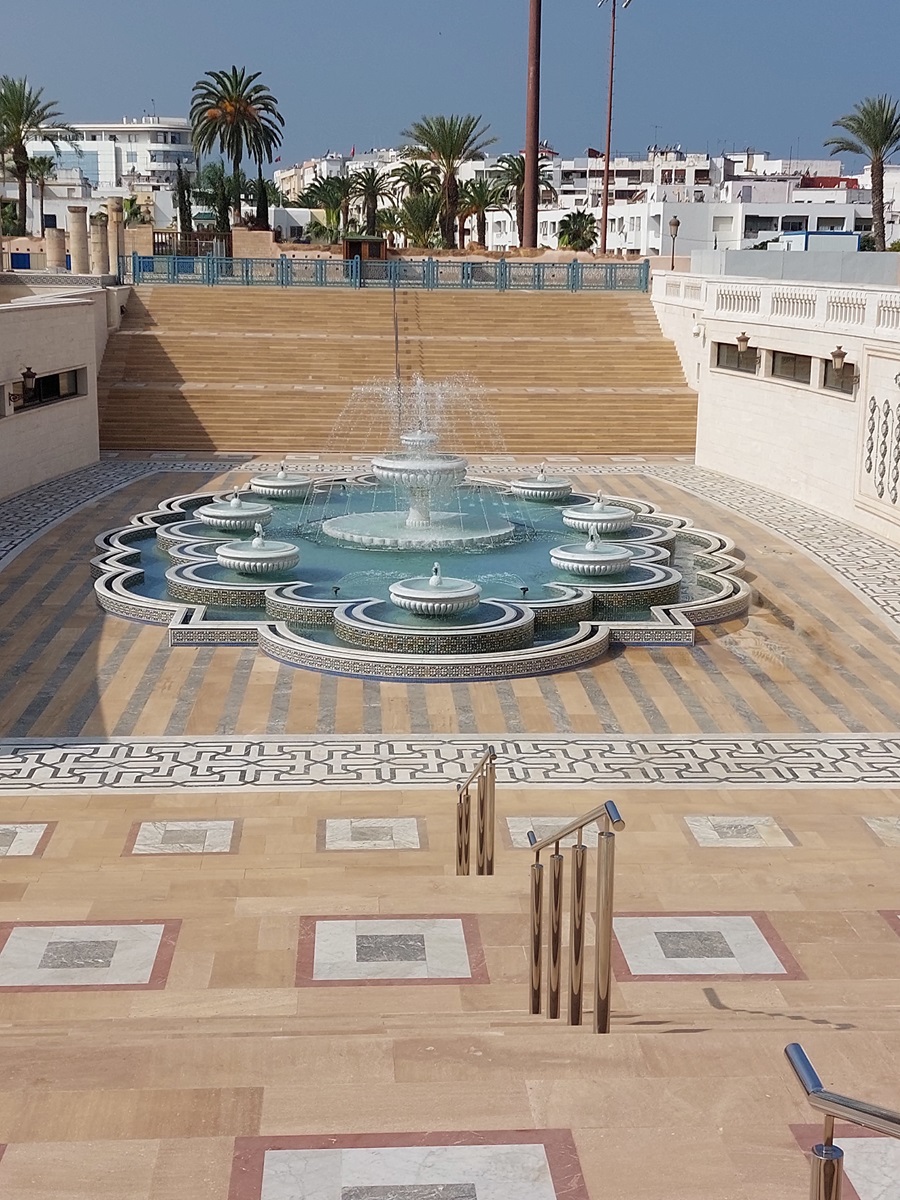
Labyrinthine Alleys: The Medina is characterized by its narrow, winding streets and alleys, offering a sense of mystery and discovery around every corner.
Vibrant Souks: The local markets (souks) are bustling with activity. They are the perfect place to find traditional Moroccan goods, from textiles and ceramics to leather goods and spices.
Kasbah of the Udayas: This fortress at one end of the Medina offers a glimpse into the city's past and stunning views of the Atlantic Ocean.
Traditional Houses: Many houses in the Medina feature traditional Moroccan architecture, including beautiful internal courtyards, ornate doorways, and intricate tile work.
Street Food and Cafés: Sampling Moroccan street food, such as pastries, tagines, and mint tea, is a must. The Medina is dotted with small cafés and food stalls.
Artisans and Workshops: Watch artisans at work in their workshops, crafting everything from leather goods to musical instruments, offering an insight into traditional Moroccan craftsmanship.
Unique Souvenirs: The Medina is the perfect place to shop for unique souvenirs. You'll find everything from hand-woven rugs to intricately designed lanterns.
Bargaining Culture: Bargaining is part of the shopping experience. It's expected and can be an enjoyable part of your Medina visit.
Local Life: The Medina is not just a tourist attraction; it's a living, breathing part of the city where locals shop, work, and socialize.
Friendly Atmosphere: The local people are generally friendly and welcoming to visitors, often willing to share stories or directions
This beach is perfect for those looking to unwind. Enjoy sunbathing, surfing, or simply a leisurely stroll along the shore.
Sandy Shoreline: The beach boasts a long, wide stretch of sand, perfect for sunbathing, beach games, and leisurely strolls.
Swimming and Surfing: The Atlantic waters are ideal for swimming, though they can be a bit brisk. The beach is also popular for surfing, with several surf schools offering lessons and equipment rentals.
Family-Friendly Environment: The beach is generally family-friendly, making it suitable for visitors of all ages.
Beachfront Cafés and Restaurants: Along the beach, there are numerous cafés and restaurants where you can enjoy local Moroccan cuisine or a refreshing drink while overlooking the sea.
Sunbeds and Umbrellas: You can often rent sunbeds and umbrellas for added comfort during your beach day.
Picturesque Sunsets: The beach is west-facing, offering spectacular views of the sunset over the Atlantic Ocean.
Relaxed Atmosphere: Compared to the hustle and bustle of the city, the beach provides a more relaxed and laid-back atmosphere.
The palace, a fine example of Moroccan architecture, serves as the king's primary residence. While entry is restricted, the exterior and the surrounding Mechouar Square are impressive.
Impressive Facade: Visitors can view the palace's impressive and beautifully designed exterior, which reflects traditional Moroccan and Islamic architecture. 
Royal Guards: The presence of royal guards in traditional Moroccan attire offers a unique photo opportunity and adds to the palace's majestic ambiance.
Centuries-Old Structure: The palace complex, established in the 19th century, is not just a royal residence but also a symbol of the Moroccan state's continuity and stability.
Blend of Architectural Styles: The architecture is a harmonious blend of Moroccan and modern styles, making it a striking landmark in Rabat.
Ceremonial Square: The Mechouar is the ceremonial square in front of the palace, where official ceremonies and public announcements are made. It's a large, open space, often accessible to the public.
Lush Gardens: While the interior gardens of the palace are not open to the public, visitors can still enjoy the beautifully maintained public gardens surrounding the area.
Across the river from Rabat, Sale's medina offers a more authentic, less touristy experience. Discover hidden gems in its historic mosques and madrasas.
Less Touristy: Unlike the medinas in cities like Marrakech or Fez, the Sale Medina sees fewer tourists, offering a more authentic and less commercialized experience.
Local Life and Culture: You can observe local life up close, with residents going about their daily routines, adding to the authentic charm of the place.
Great Mosque: The Great Mosque in Sale, with its beautiful minaret, is a notable landmark. It reflects the architectural style of the Almohad period.
Medersas (Islamic Schools): The medina houses historical medersas, like the Medersa of Abu Hassan, known for their intricate design and historical significance.
Narrow, Winding Streets: The medina's narrow and winding streets are ideal for leisurely strolls, allowing you to soak in the atmosphere and architecture.
Views of Rabat: From certain points in Sale, especially near the river, you can enjoy scenic views across the Bou Regreg to Rabat.
Rabat’s culinary scene is a blend of Arab, Berber, and French influences. Savor traditional dishes like tagine, couscous, and pastilla in local eateries.
Tagine: A slow-cooked stew, typically made with meat (like chicken, lamb, or beef), vegetables, and a variety of spices. It's named after the earthenware pot it's cooked in, which gives it a distinctive flavor.
Couscous: Often considered the national dish of Morocco, couscous is steamed semolina grains, usually served with vegetables and meat or fish.
Harira: A hearty soup made from tomatoes, lentils, chickpeas, and lamb, seasoned with a blend of herbs and spices. It's especially popular during Ramadan.
Brochettes (Kebabs): Grilled meat skewers, often served with bread and salad.
Maakouda: Potato fritters that are often served as a side dish or in a sandwich.
Mint Tea: Known as Moroccan Whiskey, this sweet mint tea is a staple in Moroccan culture and hospitality.
Baklava: Layers of phyllo pastry, filled with nuts and soaked in honey.
Moroccan Pancakes (Beghrir and Msemen): Served typically for breakfast or tea time, these pancakes are delicious with honey or jam.
Ras el Hanout: A blend of the best spices a seller has to offer, often including cardamom, clove, cinnamon, ground chili peppers, coriander, cumin, paprika, fenugreek, and turmeric.
Preserved Lemons and Olives: Widely used in Moroccan cuisine, adding a unique flavor to many dishes.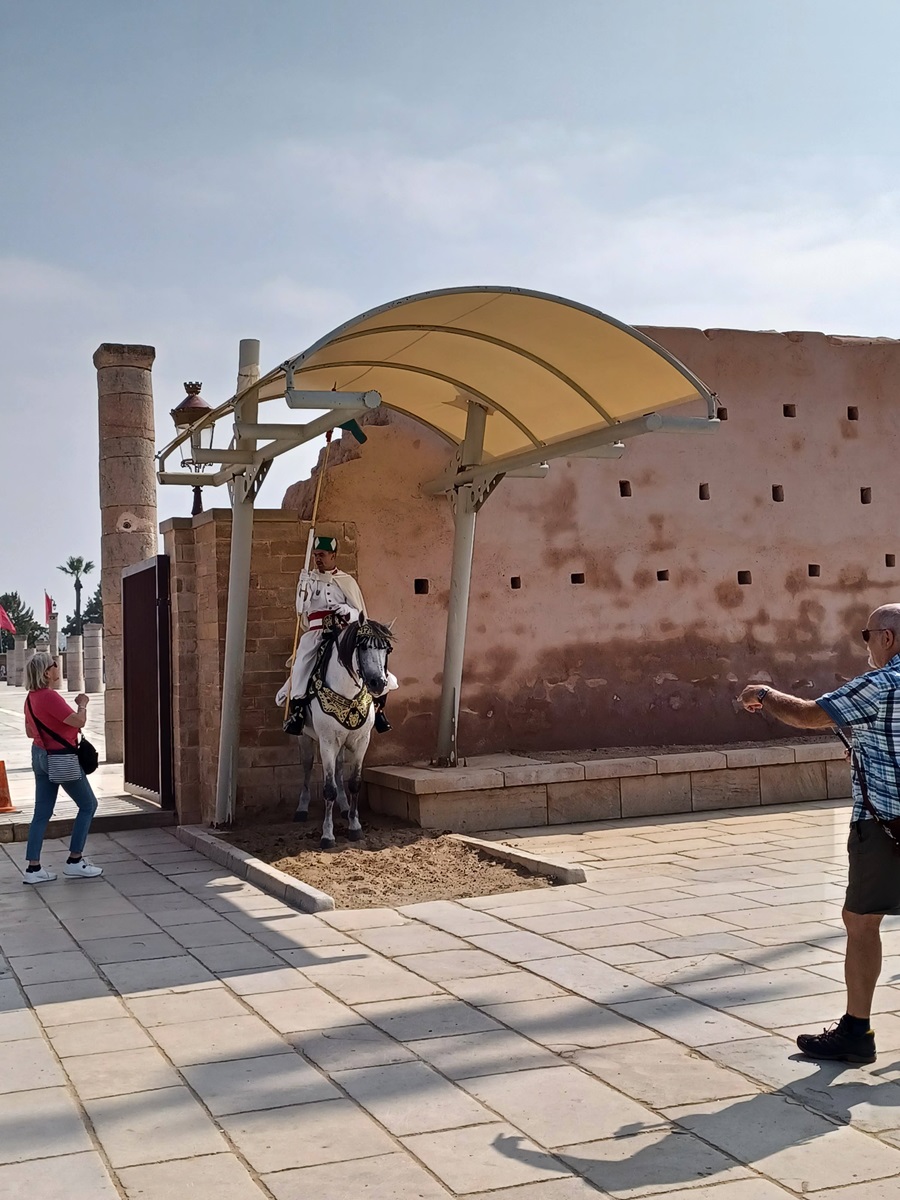
Try a Cooking Class: To understand the intricacies of Moroccan cooking, consider taking a cooking class.
If visiting in May, this music festival is a cultural highlight. Featuring artists from around the globe, it's a celebration of global music and arts.
International and Local Artists: Mawazine features a diverse lineup of artists, ranging from world-renowned international stars to local Moroccan and African musicians.
Variety of Genres: The festival showcases a wide range of music genres, including pop, rock, jazz, classical, and traditional Moroccan and African music.
Multiple Stages: Mawazine is held at various venues across Rabat, including historical sites and open-air stages, creating unique atmospheres at each location.
Festival Atmosphere: The event is known for its vibrant and festive atmosphere, with music fans from around the world coming together to celebrate.
Workshops and Street Performances: Beyond the main concerts, the festival often includes cultural workshops, street performances, and art exhibitions.
A day trip to the ancient Roman city of Volubilis, a UNESCO World Heritage site, is a journey back in time. Explore well-preserved mosaics and ruins amidst rolling hills.
Ancient Roman City: Volubilis was a major Roman outpost and administrative center in the region, dating back to the 3rd century BC.
Rich History: The site played a significant role in the Roman expansion into Africa and later became an important city in the Islamic era.
Well-Preserved Mosaics: One of the highlights of Volubilis is its stunning collection of well-preserved mosaics, depicting various aspects of Roman life and mythology.
Public Buildings and Monuments: Explore the remains of important public buildings, like the basilica, the forum, and the triumphal arch.
Residential Areas: The ruins of several houses provide insight into domestic life during the Roman era, with some still displaying intricate floor mosaics.
Knowledgeable Guides: Consider hiring a local guide at the site to gain deeper insights into the history and significance of the ruins.
Self-Guided Exploration: Alternatively, you can explore the site at your own pace. Information boards throughout the site provide historical context.
Getting There: Volubilis is about a 1.5 to 2-hour drive from Fes or Meknes, and can be reached by car, taxi, or as part of an organized tour.